Dairy Process Engineering
- Dairy & Food Products
- Process Equipment Expertise
- Process Optimisation and Troubleshooting
- Commissioning and Installation Services
- Small Scale Dairy Plant Setup
Dairy & Food Process Engineering
We design, engineer, source, install and commission dairy and food processing plants across India — from the feasibility study and DPR through to the day your plant holds rated capacity on milk.
Dairy & Food Global Quality Excellence
We partner with dairy and food businesses to elevate quality systems, supplier assurance, and food safety programs from regional compliance to world-class international standards.
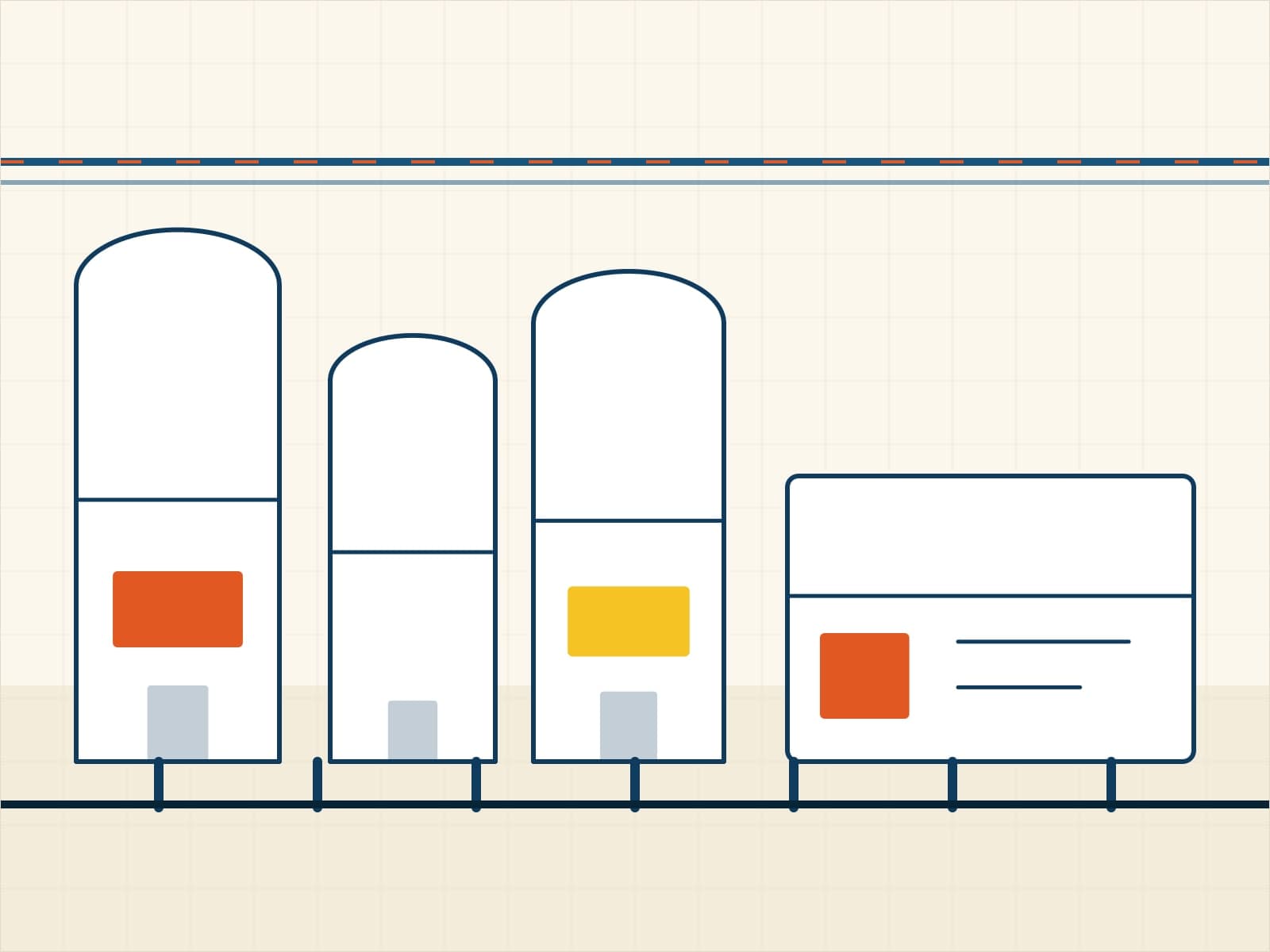
Diagram of a dairy process line: raw milk reception, chilling, pasteurisation, homogenisation, storage in an insulated tank, and pouch packing.
From turnkey projects to energy audits and plant automation
Each with a deliverable you can hold us and your vendors to
Liquid milk through to paneer, ghee, cheese and ice cream
Plant-floor and quality systems experience across the founding team
Focus on fields
“Cooperation is the key to achieving the best results in engineering and quality.”
What we do
Each practice stands on its own, and most projects use three or four of them together. The common thread is that every recommendation traces back to a calculation we can show you.
How a project runs
Seven stages, each with a deliverable you can hold your team and your vendors to. Nothing moves to the next stage until the previous one is signed off.
Milk shed assessment, product basket and capacity selection, capital and operating cost modelling, break-even and DSCR working, delivered as a lender-ready detailed project report.
Deliverable · Detailed Project Report
Process flow diagrams, mass and energy balance for every product stream, equipment duty sizing, thermal load calculation and CIP circuit design with defined return velocities.
Deliverable · PFD & mass balance
Equipment general arrangement, hygienic zoning, drain and trench routing, floor loading and plinth details, issued as coordination drawings to your architect and civil contractor.
Deliverable · GA & civil drawings
Line-by-line bill of material with material of construction, surface finish, capacity and duty, written so that every quotation you receive is priced against the same specification.
Deliverable · Tender-ready BOM
Vendor shortlisting, techno-commercial evaluation, purchase specification, pre-dispatch inspection at the fabricator's works and review of material test certificates.
Deliverable · Inspection reports
Erection supervision against our own layout and piping drawings, weld and slope checks, instrument loop verification and punch-list management through to mechanical completion.
Deliverable · Punch list closure
Water trials, CIP validation, milk trials, rated-capacity demonstration, operator and maintenance training, and handover with as-built drawings and standard operating procedures.
Deliverable · As-built & SOPs
Capabilities
The drawing-board work that fixes what the plant will cost, how it will flow and what it will be able to make.
Bankable DPR with milk shed assessment, product-wise capacity and realisation, itemised capital cost against budgetary quotations, means of finance, seven-year projections, DSCR and sensitivity analysis.
Product-wise process flow diagrams with a mass and energy balance that ties intake, standardisation, losses and finished output together, so equipment is sized on arithmetic rather than habit.
Equipment general arrangement with raw, process and packing zones separated, drainage and trench routing, personnel and material flow, and floor loading and plinth details for the civil contractor.
Steam, refrigeration, compressed air, chilled and soft water and power demand calculated from the process duty curve, including diversity, so utilities are neither starved nor oversized.
Line-by-line BOM with material of construction, surface finish, capacity, duty and inspection requirement, issued as a tender document that makes offers genuinely comparable.
Coordination drawings issued to your architect and civil contractor, with the equipment loads, service penetrations, drain slopes and clear heights that later fit-out depends on.
Preventive maintenance schedules and annual maintenance contracts for homogenisers, separators, plate heat exchangers, pumps, valves, refrigeration and boilers, with breakdown support, critical spares planning and instrument calibration, so rated capacity holds long after commissioning.
The site work that decides whether the plant on paper becomes a plant that holds specification every shift.
Shortlisting against demonstrated dairy references, techno-commercial evaluation on a like-for-like basis, negotiation support and purchase specification with clear inspection and documentation clauses.
Inspection at the fabricator's works before payment and dispatch: dimensional checks, weld and surface finish inspection, material test certificate review, and hydro or pressure testing witness.
Site supervision against our own drawings, with piping slope and support checks, hygienic weld inspection, instrument loop verification and a managed punch list to mechanical completion.
CIP circuit design with return velocity above 1.5 metres per second in every leg and no dead leg longer than three pipe diameters, validated on site against time, temperature, conductivity and swab results.
Water trials, chemical trials, milk trials and a documented rated-capacity run, so acceptance is against a measured result rather than an opinion.
Measured audits of steam, refrigeration, compressed air, water and process losses in operating plants, delivered as a costed action list ranked by simple payback.
Project scopes
Representative scopes, written in the present tense. Named case studies are published only once a project is complete and the client has agreed to be referenced.
Why TRDFS
We write the specification and run the evaluation, but you hold the purchase relationship with the fabricator. Nothing in our fee depends on which tank you buy, so the comparison stays honest and the capital cost stays visible.
Equipment duty comes from the mass and energy balance, utility sizing comes from the duty curve, and capacity claims come from a demonstrated run. If we cannot show you the working behind a figure, we do not put it in the report.
Return velocities, dead-leg limits and circuit sequencing are engineered at the drawing stage and validated on site. Most bacteriological problems we are called in to fix are piping problems that were decided a year before the plant ran.
Drain slopes, plinths, floor loading, service penetrations and clear heights are issued to your civil contractor early. Retrofitting a trench into a finished floor costs several times what getting the drawing right costs.
The engineer who drew the process flow is on site for the milk trials. Handover means as-built drawings, standard operating procedures and a trained shift, not a set of manuals in a box.
Flush and lean season swings, grid interruptions, monsoon civil delays and the real quality spread of procured milk are assumptions in our design, not surprises during commissioning.
“Most bacteriological problems we are called in to fix are piping problems that were decided a year before the plant ran.”
Products enabled
Each of these carries its own yield, thermal and hygiene requirement, and each one changes the plant. We design for the basket you intend to sell.
Start a conversation
Send us the capacity, the product basket and where the site is. You will get a considered technical reply from an engineer, not a brochure.
Monday to Saturday, 9:30 AM to 6:30 PM IST
Already have a DPR or a layout? Send it across. A second opinion on the mass balance and the CIP circuit before you order equipment is the cheapest engineering you will ever buy.